How Pistons Work, The Key Component in Engine Performance
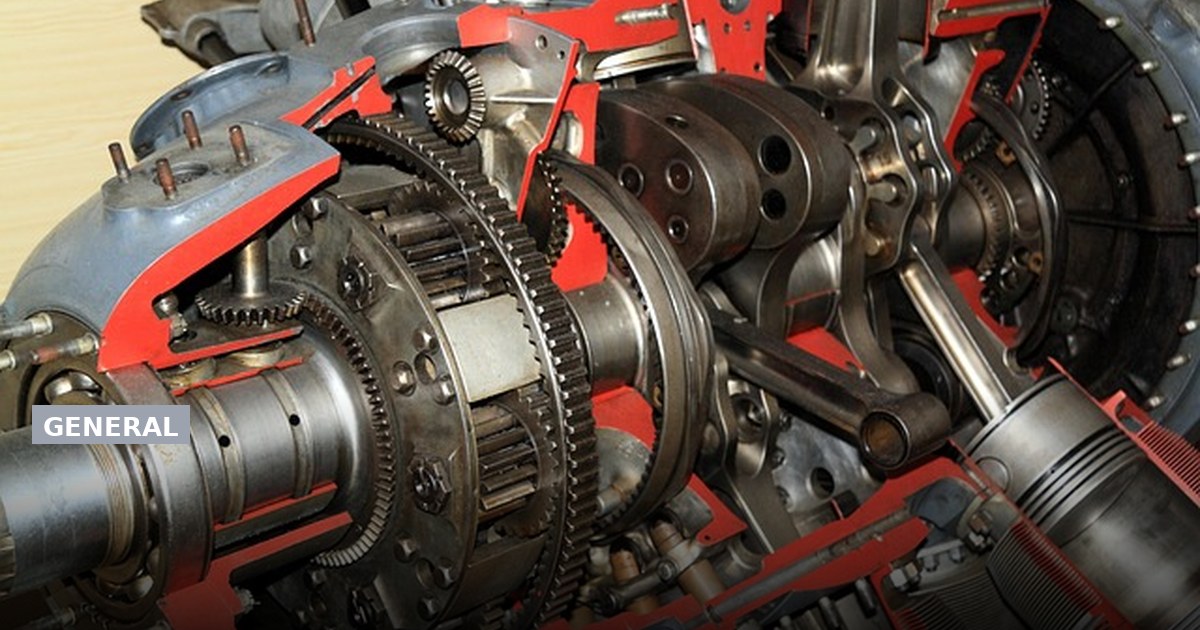
Quick Answer
Pistons are cylindrical components that transfer force from expanding combustion gases to the crankshaft, converting linear motion into rotational energy. Their design, material composition, and coating directly affect engine efficiency, power output, and longevity.
- Piston head withstands combustion pressure
- Rings seal compression and oil
- Wrist pin connects to connecting rod
- Skirt guides piston in cylinder
Key Facts
- The global automotive piston market was projected to reach USD 2,194 million by 2025, growing at a CAGR of 3.5% from USD 1,851 million in 2020
- Aluminum alloy is the dominant material for piston construction, though steel and advanced alloys are gaining traction for specific applications
- Piston coatings include three main types: oil shedding, dry film lubrication, and thermal barrier coatings
- Market growth is driven by automotive and aerospace industries, with a projected CAGR of 5.1% to reach USD 5.9 billion by 2035
- Lightweight materials and low-friction alloys represent the latest innovations for improving piston performance and efficiency
How Pistons Convert Combustion into Motion
The piston sits inside a cylinder, sealed by piston rings that prevent gas leakage and control oil consumption. When fuel and air ignite in the combustion chamber, the expanding gases push the piston downward.
This linear motion travels through the connecting rod to the crankshaft, which converts it into rotational motion that ultimately drives the wheels. The piston's shape determines how the air-fuel mixture behaves during combustion.Flat-top pistons provide uniform compression, bowl-shaped pistons help direct flame propagation in diesel engines, and dome-shaped pistons increase compression ratios in high-performance applications. Each design affects engine characteristics like power delivery, fuel efficiency, and emissions.Piston rings serve three critical functions: sealing the combustion chamber to prevent power loss, controlling oil distribution on the cylinder wall, and transferring heat from the piston to the cylinder. Recent developments in low-friction alloys have improved ring performance, reducing parasitic losses that rob the engine of usable power.Why Material Selection Matters More Than Ever
Aluminum alloy remains the dominant material for pistons due to its excellent balance of strength, weight, and thermal conductivity. Aluminum pistons weigh significantly less than steel alternatives, which reduces reciprocating mass and allows engines to rev higher with less internal stress.
The material also conducts heat efficiently, helping maintain consistent operating temperatures. However, steel pistons are increasingly used in high-performance and heavy-duty applications where durability under extreme temperatures and pressures is critical.Steel can withstand higher thermal loads without deforming, making it suitable for turbocharged engines and diesel applications. The trade-off comes in weight—steel pistons add reciprocating mass that can limit engine speed and increase bearing loads.Advanced alloys combine the best properties of multiple metals. These materials offer improved fatigue resistance, better wear characteristics, and reduced thermal expansion.Manufacturers carefully select piston materials based on the engine's intended use, operating conditions, and performance targets. The trend toward lightweight materials extends beyond pistons themselves.Lighter pistons reduce the load on connecting rods, wrist pins, and crankshafts, allowing engineers to optimize entire engine architectures for better fuel economy and lower emissions.Piston Coatings The Hidden Performance Enhancers
Coatings transform standard pistons into specialized components tailored to specific operating conditions. Three main coating types serve distinct purposes:
Thermal barrier coatings reflect heat back into the combustion chamber rather than allowing it to conduct through the piston.
This keeps combustion temperatures higher, improving thermal efficiency and reducing heat transfer to the cooling system. Engines with thermal barrier coatings can run higher compression ratios without detonation, extracting more work from each fuel charge.Dry film lubrication coatings reduce friction between the piston skirt and cylinder wall. These coatings contain solid lubricants that maintain their properties even when oil pressure is low during cold starts.The reduced friction improves fuel economy and reduces wear during the critical warm-up period when most engine wear occurs. Oil shedding coatings help oil slide off the piston surface more effectively, reducing oil consumption and preventing carbon deposits from building up on the piston crown.Cleaner pistons maintain consistent compression ratios and prevent hot spots that could cause pre-ignition. The choice of coating depends on the engine's operating environment.Passenger car engines benefit most from friction-reducing coatings for fuel economy, while high-performance and diesel engines prioritize thermal management and durability.Market Trends Driving Piston Innovation
The automotive piston market continues to grow steadily, with projections showing a CAGR of 5.1% reaching USD 5.9 billion by 2035. This growth reflects broader industry trends toward more efficient, durable, and environmentally friendly engines.
Lightweighting remains a primary focus. Engineers are exploring aluminum alloys with higher silicon content for better wear resistance, as well as metal matrix composites that incorporate ceramic reinforcements.These materials offer strength comparable to steel at significantly lower weights. Manufacturing process improvements enable more complex piston geometries that optimize combustion dynamics.Modern casting and forging techniques produce pistons with intricate cooling galleries, precisely shaped crowns, and optimized skirt profiles that would have been impossible to manufacture just a decade ago. Sustainability considerations are influencing material selection and production methods.Recyclable aluminum alloys reduce environmental impact, while coatings that extend piston life decrease the frequency of replacement parts. The aftermarket sector is particularly focused on these innovations, as replacement pistons must meet or exceed original equipment specifications.How Aftermarket Pistons Differ from OEM Components
Aftermarket pistons serve a different purpose than original equipment manufacturer (OEM) components. OEM pistons are designed for reliability across a wide range of operating conditions, with conservative compression ratios and generous clearances to accommodate manufacturing tolerances and thermal expansion.
Aftermarket pistons, on the other hand, are often optimized for specific performance goals. They may feature higher compression ratios for increased power output, different crown shapes to match modified cylinder heads, or specialized coatings for track use.The aftermarket sector benefits directly from racing technology, with innovations in materials and coatings migrating from competition engines to street applications. The growing aftermarket piston market reflects increasing consumer interest in vehicle personalization and performance enhancement.Drivers seeking more power, better fuel economy, or improved reliability often turn to aftermarket pistons as part of comprehensive engine builds.Frequently Asked Questions
What happens if a piston fails?
Piston failure typically results in catastrophic engine damage. Symptoms include knocking sounds, loss of compression, excessive oil consumption, and reduced power output.
Common failure modes include piston ring land fracture, skirt scuffing, and thermal damage from detonation. Immediate engine inspection is required if piston failure is suspected.How long do pistons typically last?
Piston lifespan varies widely based on engine design, maintenance, and operating conditions. Well-maintained engines in passenger cars can operate for 150,000 to 200,000 miles without piston issues.
High-performance engines subjected to extreme conditions may require piston inspection or replacement more frequently. Regular oil changes and proper cooling system maintenance significantly extend piston life.Can pistons be repaired or must they be replaced?
Pistons must be replaced rather than repaired. Damage to the piston crown, ring grooves, or skirt cannot be effectively repaired while maintaining proper clearances and seal integrity.
Replacing pistons typically requires removing the engine, disassembling the cylinder head and oil pan, and carefully measuring cylinder bores for proper fit.What causes piston slap noise?
Piston slap occurs when the piston rocks inside the cylinder bore, usually during cold starts when clearances are at their maximum. The condition is more common in engines with higher mileage where cylinder wear has increased clearances.
While some piston slap is normal, excessive noise may indicate worn pistons, rings, or cylinder walls that require attention.How do thermal barrier coatings affect engine tuning?
Thermal barrier coatings retain more heat in the combustion chamber, which can raise cylinder temperatures and increase the risk of detonation if ignition timing and fuel mixture are not adjusted accordingly. Engine tuners must account for the reduced heat rejection when calibrating fuel delivery and spark timing.
Properly tuned engines with thermal barrier coatings can achieve higher thermal efficiency and power output.Reference Notes
Information in this article is based on publicly available sources. Some details may change over time.
Verify with official sources before acting. Market data, performance claims, and technical specifications should be confirmed with manufacturers or industry reports.Individual engine results may vary based on application, maintenance, and operating conditions.- HLE vs BLG, Which Team Has the Stronger Roster for the 2024 Season?
- España vs Francia, How Two European Powers Compare for Travel, Culture, and Lifestyle
- Cardiff City vs Midtjylland, Comparing Two Clubs’ European Ambitions and Tactical Styles
- Sir Stephen Timms PIP Review, An Honest Assessment of Its Impact on Disability Benefit Assessments