10 Stroke Warning Signs That Demand Immediate Medical Attention
Quick Answer
A stroke is a medical emergency where every minute counts — recognizing the warning signs and acting fast can mean the difference between recovery and permanent disability. The acronym FAST (Face drooping, Arm weakness, Speech difficulty, Time to call 911) remains the gold standard for identifying strokes, but there are additional signs like sudden severe headache, vision loss, and balance issues that demand immediate action.
• Best for: Anyone who wants to protect themselves or loved ones from stroke-related death or disability — this is universal knowledge, not optional. • Key point: Time is brain — the faster you get to an ER, the better your chances of survival and recovery; do not wait or "wait and see." • Bottom line: If you suspect a stroke, call 911 immediately — do not drive yourself, do not take aspirin without medical guidance, and do not wait for symptoms to pass.Your response time determines your outcome.Why "Time Is Brain" Is Not Just a Slogan — It's a Scientific Fact
Every stroke kills roughly 1.9 million brain cells per minute. That's not hyperbole — it's the cold, clinical reality of what happens when blood flow to part of the brain is interrupted.
The difference between calling 911 within 10 minutes versus waiting an hour could mean the difference between walking out of the hospital and permanent nursing home care. The reason speed matters so much is that stroke treatments like clot-busting drugs (tPA) and mechanical thrombectomy have strict time windows.tPA must typically be administered within 3 to 4.5 hours of symptom onset. Mechanical thrombectomy — where a doctor physically removes the clot — has a window of up to 24 hours in some cases, but outcomes dramatically worsen with every passing hour.Here's the problem: most people don't recognize stroke symptoms. Studies consistently show that less than 50% of stroke patients arrive at the hospital within that critical 3-hour window.| Time from Symptom Onset | Brain Cells Lost (Approximate) | Treatment Options |
|---|---|---|
| 10 minutes | 19 million | All options available |
| 1 hour | 120 million | tPA possible if within 3-4.5 hours |
| 3 hours | 360 million | tPA window closing for some patients |
| 6 hours | 720 million | tPA rarely effective; thrombectomy possible |
| 24 hours | 2.8 billion | Limited options; focus on rehabilitation |
The stance here is unforgiving: waiting is the enemy. If you or someone near you experiences any of the signs we're about to cover, act with the same urgency as if the building were on fire.
Because in a very real way, it is. Next, we'll break down the 10 specific warning signs you need to memorize — because your brain won't be thinking clearly when it's under attack.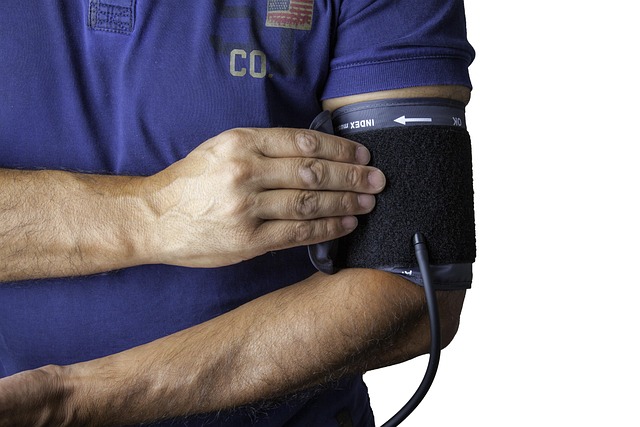

The FAST Acronym Is Not Enough — Here Are All 10 Warning Signs
Most public health campaigns focus on the FAST acronym, and for good reason: it covers the most common stroke presentations. But strokes can manifest in ways that don't fit neatly into that framework.
The American Stroke Association and major medical organizations recognize these 10 warning signs as requiring immediate medical attention:
- Face drooping — One side of the face droops or feels numb. Ask the person to smile — is the smile uneven?
- Arm weakness — One arm is weak or numb. Ask the person to raise both arms — does one drift downward?
- Speech difficulty — Speech is slurred, garbled, or the person can't speak or understand speech despite appearing alert.
- Sudden numbness or weakness — Especially on one side of the body, including the face, arm, or leg.
- Sudden confusion — Trouble understanding simple instructions, disorientation, or acting "out of it."
- Trouble seeing — Blurred, double, or blackened vision in one or both eyes, often sudden.
- Trouble walking — Dizziness, loss of balance, or lack of coordination — often described as "the room is spinning."
- Sudden severe headache — The worst headache of your life, with no known cause. Often described as a "thunderclap" headache.
- Nausea or vomiting — Especially when accompanied by other neurological symptoms, this can indicate a hemorrhagic stroke.
- Loss of consciousness or fainting — Passing out for no apparent reason could be a sign of a stroke or transient ischemic attack (TIA).
| Warning Sign | Typical Presentation | Common Misdiagnosis |
|---|---|---|
| Face drooping | Uneven smile, drooping eyelid | Bell's palsy, dental issues |
| Arm weakness | One arm drifts down | Pinched nerve, fatigue |
| Speech difficulty | Slurred or absent speech | Drunkenness, anxiety |
| Vision loss | Sudden blackness or blurring | Migraine, eye strain |
| Severe headache | "Worst headache ever" | Migraine, tension headache |
The real-world implication is uncomfortable but necessary: if someone appears drunk, confused, or disoriented, don't assume they're intoxicated. Check for other stroke signs.
A person who is having a stroke may appear intoxicated because of the brain damage affecting coordination and speech. This is where a Medical Alert System becomes relevant.For elderly individuals or those with stroke risk factors, a wearable medical alert device can mean the difference between getting help immediately versus lying on the floor for hours. If you or a loved one has high blood pressure, diabetes, or a history of TIAs, consider investing in a system that allows one-button emergency calls.Next, we'll discuss the one thing you should never do if you suspect a stroke — and it involves aspirin.Do NOT Give Aspirin During a Stroke — Here's Why
You might have heard that taking aspirin during a heart attack is recommended. That's true for heart attacks — but it is dangerously wrong for strokes, unless a doctor explicitly tells you to.
The reason is anatomy: not all strokes are caused by blood clots. Strokes fall into two main categories:- Ischemic stroke (about 87% of cases): Caused by a blood clot blocking a blood vessel in the brain. Aspirin, which thins the blood, can help prevent further clotting.
- Hemorrhagic stroke (about 13% of cases): Caused by a ruptured blood vessel bleeding into the brain. Aspirin, which thins the blood, can worsen the bleeding and make the stroke more severe.
Here's the problem: paramedics and ER doctors cannot know which type of stroke is occurring without a CT scan or MRI. If you give aspirin to someone having a hemorrhagic stroke, you could turn a survivable bleed into a fatal one.
The same logic applies to Aspirin 81mg Chewable Tablets — even low-dose aspirin is a blood thinner and carries the same risk.| Stroke Type | Cause | Effect of Aspirin |
|---|---|---|
| Ischemic | Blood clot blocks vessel | May help prevent additional clots |
| Hemorrhagic | Blood vessel ruptures | Worsens bleeding — dangerous |
| Transient Ischemic Attack (TIA) | Temporary clot | May be beneficial, but only after diagnosis |
What you should do instead: Call 911 immediately. Paramedics can begin stroke assessment and notify the hospital.
Do not give any medication — including aspirin, ibuprofen, or blood pressure pills — unless instructed by medical professionals. This is also where a Blood Pressure Monitor becomes relevant as a preventative tool, not an emergency one.Monitoring your blood pressure regularly can help identify hypertension — the single biggest risk factor for stroke — and allow for early intervention. But during an acute stroke, monitoring blood pressure at home is not helpful and can delay treatment.The bottom line: keep aspirin in your medicine cabinet for prevention, not for emergency treatment of a suspected stroke. Let the professionals make that call.Now let's talk about the "mini-stroke" — because ignoring it is one of the most dangerous mistakes you can make.Transient Ischemic Attacks (TIAs) Are Not "Mini" — They Are Warnings
A Transient Ischemic Attack (TIA), often called a "mini-stroke," produces the same symptoms as a full stroke — face drooping, arm weakness, speech difficulty — but the symptoms resolve within minutes to hours. This temporary nature is exactly what makes TIAs so dangerous: people think they're fine and don't seek medical attention.
Here's the hard truth: up to 15% of people who have a TIA will have a full stroke within three months, with the highest risk in the first 48 hours. A TIA is not a "nothingburger" — it's a warning sign that your brain's blood supply is compromised and a larger, more damaging event is imminent. The mechanism is straightforward: a TIA is caused by a temporary blockage of blood flow to the brain.The clot dissolves or moves on its own within a short time, restoring blood flow before permanent brain damage occurs. But the underlying conditions that caused that temporary clot — atherosclerosis, high blood pressure, atrial fibrillation — are still present.| Time After TIA | Risk of Full Stroke |
|---|---|
| 48 hours | Highest — up to 5-10% |
| 7 days | Significant — up to 10-15% |
| 30 days | Elevated — up to 15-20% |
| 90 days | Approximately 15% cumulative risk |
If you or someone you know experiences any stroke-like symptom that goes away — even if it lasts only a few minutes — go to the ER immediately. Do not wait to "see if it happens again." Do not assume it was a migraine, a low blood sugar episode, or "stress." Get evaluated.
This is where a Blood Pressure Monitor can save your life. If you have a TIA and survive it, your doctor will likely prescribe aggressive blood pressure management.Monitoring your BP at home and reporting trends can help prevent the next stroke. Some Medical Alert Systems also offer fall detection and automatic emergency response — critical if a TIA progresses to a full stroke while you're alone.The stance here is absolute: a TIA is not a "mini" anything. It is a major medical event that demands the same emergency response as a full stroke.The only difference is that symptoms resolve — the danger does not. Next, we'll cover the specific risk factors you can control, because prevention is infinitely better than treatment.Your Blood Pressure Is the #1 Controllable Risk Factor — Here's What to Do
Of all the risk factors for stroke, high blood pressure (hypertension) is the single most important modifiable one. It's responsible for roughly 50-70% of all strokes, depending on the population studied.
Yet half of people with hypertension don't know they have it, and of those who do, only a fraction have it under control. The mechanism is simple: chronic high blood pressure damages the lining of blood vessels, making them more prone to atherosclerosis (plaque buildup) and rupture.This creates the perfect environment for both ischemic clots and hemorrhagic bleeds.| Blood Pressure Category | Systolic (Top Number) | Diastolic (Bottom Number) | Stroke Risk |
|---|---|---|---|
| Normal | Less than 120 | Less than 80 | Baseline |
| Elevated | 120-129 | Less than 80 | Increased |
| Stage 1 Hypertension | 130-139 | 80-89 | Significantly increased |
| Stage 2 Hypertension | 140 or higher | 90 or higher | High risk |
| Hypertensive Crisis | 180 or higher | 120 or higher | Emergency — immediate medical attention |
What you can do today:
- Buy and use a Blood Pressure Monitor. Check your BP at the same time each day — morning and evening — and record the readings. Bring a log to your doctor. Home monitoring is more accurate than office readings because it avoids "white coat syndrome."
- Reduce sodium intake. The American Heart Association recommends no more than 1,500 mg of sodium per day for most adults. That's less than a teaspoon of salt.
- Take prescribed medications consistently. If your doctor prescribes antihypertensives, take them every day. Missing doses creates dangerous blood pressure spikes.
- Consider aspirin therapy, but only under medical supervision. For some people with a history of stroke or high cardiovascular risk, low-dose aspirin (like Aspirin 81mg Chewable Tablets) can help prevent clot formation. But as we discussed, this is for prevention, not emergency treatment.
- Exercise regularly. Even 30 minutes of moderate activity five times a week can lower blood pressure by 5-10 points.
The stance here is personal accountability: you cannot control your genetics, your age, or your family history. But you can absolutely control whether you monitor your blood pressure and take steps to keep it in a healthy range.
A $30 Blood Pressure Monitor at home is one of the best investments you'll ever make in your health. Next, we'll address the most common question people have when they suspect a stroke — and the answer might surprise you.Frequently Asked Questions
What should I do if I think someone is having a stroke?
Call 911 immediately. Do not wait to see if symptoms improve.
While waiting for paramedics, note the time symptoms started — this is critical information for treatment decisions. Keep the person calm, lying on their side if possible (in case they vomit), and do not give them anything to eat or drink.Do not give them aspirin or any other medication unless a doctor specifically instructs you to.Can a stroke happen to someone young and healthy?
Yes. While stroke risk increases with age and with conditions like hypertension and diabetes, strokes can and do occur in young adults, teenagers, and even children.
Causes in younger populations include congenital heart defects, blood clotting disorders, arterial dissections (often from neck trauma), and drug use. Recognizing the warning signs applies to everyone, regardless of age.What is the difference between a stroke and a transient ischemic attack (TIA)?
A stroke causes permanent brain damage because blood flow is blocked long enough to kill brain tissue. A TIA causes the same symptoms, but the blockage resolves on its own within minutes to hours, and no permanent damage occurs.
However, a TIA is a major warning sign that a full stroke is likely in the near future. Both require immediate emergency medical evaluation.Should I take aspirin every day to prevent a stroke?
Only if your doctor prescribes it. Daily low-dose aspirin (like Aspirin 81mg Chewable Tablets) is recommended for some people with a history of stroke, heart attack, or certain cardiovascular conditions.
For people without these risk factors, the risk of bleeding from daily aspirin may outweigh the benefits. Do not start aspirin therapy on your own — talk to your doctor first.How can I monitor my blood pressure at home effectively?
Use a validated automatic Blood Pressure Monitor with an appropriately sized cuff. Sit quietly for five minutes before taking a reading, with your back supported and feet flat on the floor.
Take two or three readings at least one minute apart and record the average. Measure at the same times each day — typically morning and evening.Bring your log to every doctor's appointment. Home monitoring is more reliable than office readings for guiding treatment decisions.Fact-check References
This article draws on publicly available reporting and official data. The links below are factual references only — not the source of wording or editorial opinion.
- https://nypost.com/2025/08/07/ticket-sales/the-strokes-warm-up-tour-2025-where-t... — checked 2026-06-13
- https://www.businessinsider.com/guides/tickets/how-to-get-the-strokes-concert-ti... — checked 2026-06-13
- https://shop.thestrokes.com/pages/tour — checked 2026-06-13
- https://www.reddit.com/r/TheStrokes/comments/18w6e71/julian_confirms_no_new_stro... — checked 2026-06-13
- https://www.youtube.com/watch?v=aFTpoAQklcI — checked 2026-06-13
Affiliate Disclosure: This article contains affiliate links. If you purchase through these links, we may earn a small commission at no extra cost to you. We only recommend products we believe in.